
Review · MOROCCO
Marrakech: 3-day Merzouga Desert, Camel, Quad & Privat Tent
The best part of this 3-day Marrakech to Merzouga tour is the complete change of scenery. In a short trip, you go from Marrakech’s streets to snowy or rocky High Atlas passes, mud-brick kasbahs, deep limestone cliffs, and the wide orange dunes of Erg Chebbi.
I like the way the tour combines major sights with real time in the desert, not just a quick photo stop. I also like the practical setup: air-conditioned transport with Wi-Fi, hotel pickup, two dinners, two breakfasts, camel rides at sunset and sunrise, and guides such as Mehdi, Hakim, Zaid, and Youssef who are praised for their care and language skills.
The tradeoff is the long road time. Day three is largely a return drive to Marrakech, and lunches, the Ait Ben Haddou guide, and quad biking cost extra. At $116 per person, this is a strong value, but it is not a slow, leisurely Moroccan holiday.
Key points to know before booking
- Tizi n’Tichka Pass reaches 2,260 meters, with sweeping views of High Atlas villages and winding mountain roads.
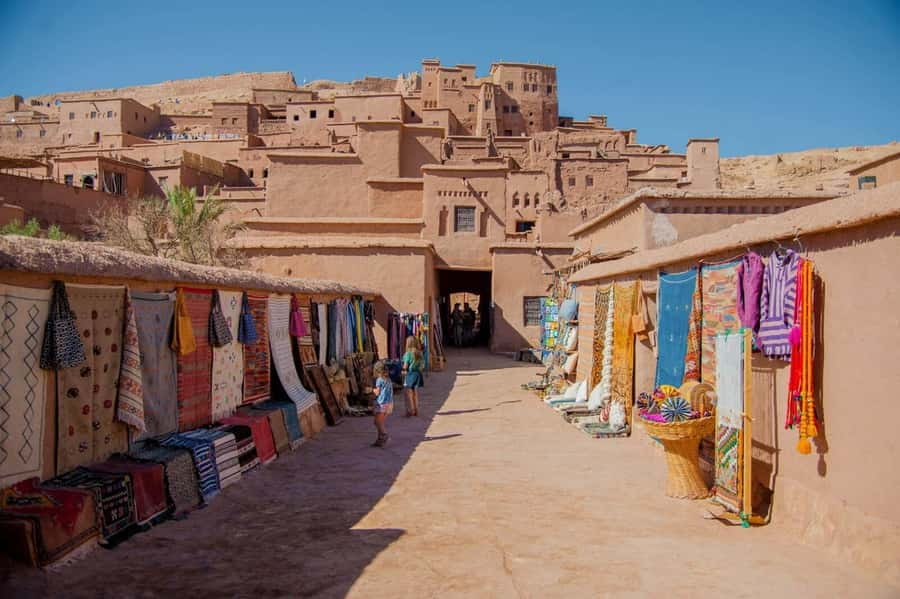
- Ait Ben Haddou is a UNESCO-listed fortified village, also used as a setting for Gladiator and Game of Thrones.
- Todgha Gorges has limestone walls rising about 300 meters, making it one of the tour’s most striking stops.
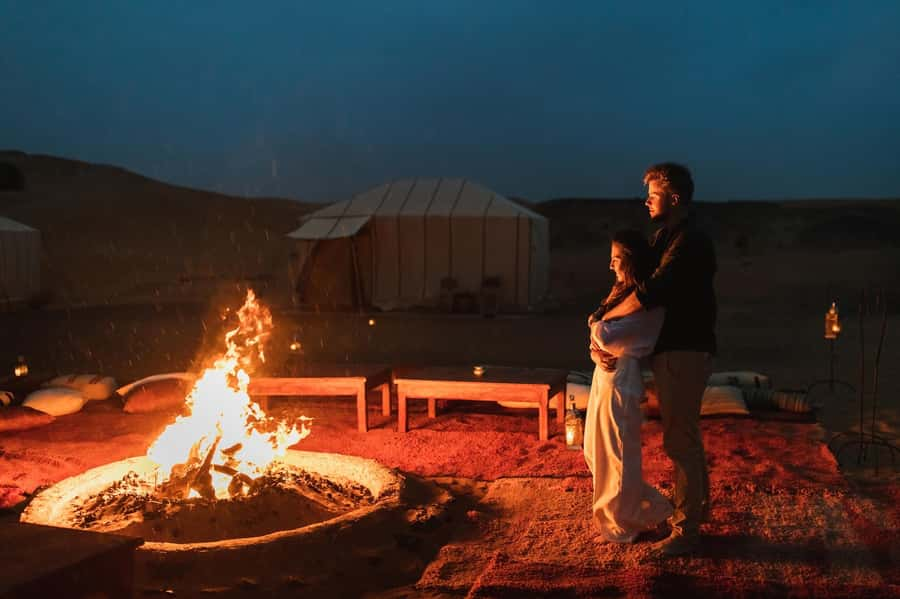
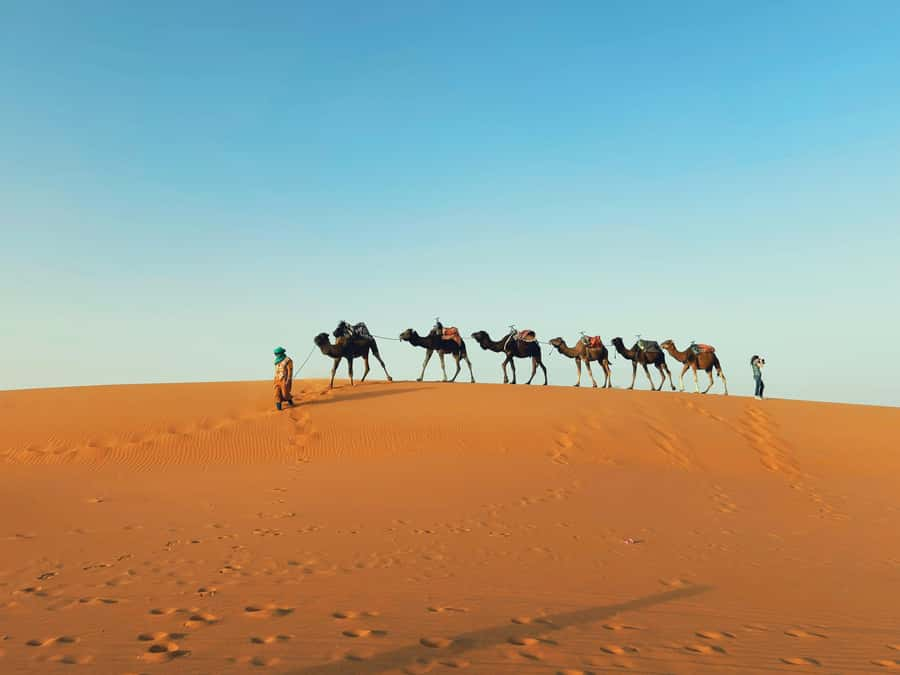
- The camel ride takes place around sunset, followed by dinner, Berber drumming, and a night in Erg Chebbi.
- A sunrise camel ride is included on the final morning, with a 4×4 return option available instead of riding back.
- Quad bikes and buggies are extra, and lunches are not included, so carry cash in Moroccan dirhams or another accepted currency.
Why this route works in only three days
Morocco is a large country, and Merzouga is far from Marrakech. This tour works by linking several important stops along the same road rather than treating the Sahara as an isolated add-on.
You will spend a fair amount of time in the van. That is the price of reaching Erg Chebbi in three days. Still, the road is not dead time. The route crosses changing terrain, from the High Atlas to dry valleys, palm-filled oases, cliffs, and open desert.
For me, the value comes from the variety. A shorter desert trip from Marrakech often means spending more time driving and less time seeing Morocco’s older architecture and mountain country. Here, Ait Ben Haddou and Todgha Gorges give the journey a clear shape.
The tour is described as family-friendly, and the arrangement can work well for families with older children. You should still prepare them for long drives, early starts, dusty conditions, and a camel ride that can be tiring on the knees and legs.
More Desert Quad Safaris around Morocco:
- Marrakech: Agafay Desert Quad & Camel Rides with Dinner Show
★ 4.8 · 27,382 reviews - Marrakech: Agafay Desert Quad Biking Tour with Dinner-Show
★ 4.8 · 16,569 reviews - Marrakech: Quad Bike Tour to Palm Oasis and Jbilat Desert
★ 4.8 · 11,831 reviews
Day one: crossing the High Atlas to Ait Ben Haddou
Pickup begins in Marrakech at your hotel or riad. The air-conditioned van includes Wi-Fi, and your luggage can remain securely stored during the desert portion of the trip. I would still pack a small rucksack for the night in the camp rather than carry your full suitcase onto a camel.
The first major stretch takes you through the High Atlas Mountains and over the Tizi n’Tichka Pass at 2,260 meters. The road is known for its sharp bends and mountain views. You will see Berber villages and broad views across the surrounding country, with the scenery changing as the road climbs and descends.
Bring a light jacket even in warmer months. Mountain conditions can feel cooler than Marrakech, and the desert camp can become cold after dark. In winter, temperatures at the camp can fall to around 0 degrees Celsius. Warm blankets are supplied, but warm sleeping clothes are still a sensible choice.
The main cultural stop is Ait Ben Haddou, a fortified mud-brick settlement beside the old caravan route. Its earthen walls and compact lanes show how architecture in southern Morocco adapted to a dry climate. The site is also familiar from films and television, including Gladiator and Game of Thrones, but its value is greater than its screen appearance.
A local guide is available for an additional €2 per person. You can visit without that extra guide, but paying for one may help you understand the village’s layout, building methods, and role in trade. If you care about context rather than only photographs, this is one of the few small extras I would consider worthwhile.
Lunch is not included. That gives you some choice, but it also means you should budget for a midday meal each day. Carry cash, as small stops may not accept cards.
Through the Dades Valley to Tinghir
After Ait Ben Haddou, the road continues toward the Dades Valley. This area is known for green oases, dry rock formations, and villages surrounded by cultivated land. The contrast is part of the pleasure: a narrow strip of vegetation can appear surprisingly green beside dusty, reddish hills.
You spend the night in Tinghir in an air-conditioned room or suite with a private bathroom. This is an important comfort break between the mountain road and the desert. It is not a second night under canvas, and that is probably welcome after a full day in the van.
Dinner and breakfast are included during the tour, with traditional Moroccan hospitality at the overnight accommodation. Vegetarian and vegan food options are available, but tell the operator or guide ahead of time so the meals can be handled smoothly.
The exact hotel or riad is not specified, so do not book this expecting a particular property or a luxury standard. The useful point is that you have a proper room, private bathroom, and air conditioning before the desert night.
Day two: the towering walls of Todgha Gorges
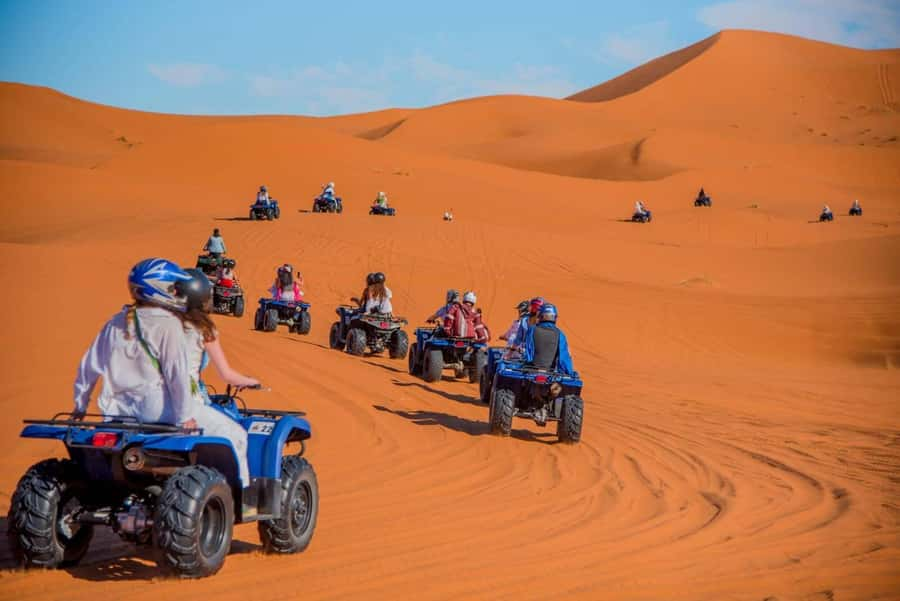
The second day begins with Todgha Gorges, one of the strongest visual stops on the route. Limestone cliffs rise about 300 meters on either side, creating a narrow, dramatic passage through the rock.
This is more than a quick roadside picture. The scale of the cliffs gives you a real sense of the geology of southern Morocco. Wear comfortable shoes, since the included packing advice specifically calls for practical footwear, and keep water close at hand.
After the gorge, you continue to Merzouga, the gateway to the Erg Chebbi dunes. The change is gradual at first, then unmistakable. Rocky ground gives way to sand, and the horizon opens out around the large dune field.
This is also where the pace becomes more relaxed. The road stops being the main event, and the desert camp becomes the focus.
More Camel Ride and Quad Combos around Morocco:
- Marrakech: Agafay Desert Quad & Camel Rides with Dinner Show
★ 4.9 · 10,771 reviews - Marrakech: Agafay Desert Quad, Camel Ride & Dinner Show
★ 4.7 · 10,209 reviews - Marrakech: Agafay Desert Dinner Show with Quad Bike & Camel
★ 4.9 · 5,058 reviews - Agafay Desert Package, Quad Bike, Camel Ride and Dinner Show
★ 5.0 · 4,244 reviews
Sunset by camel across Erg Chebbi
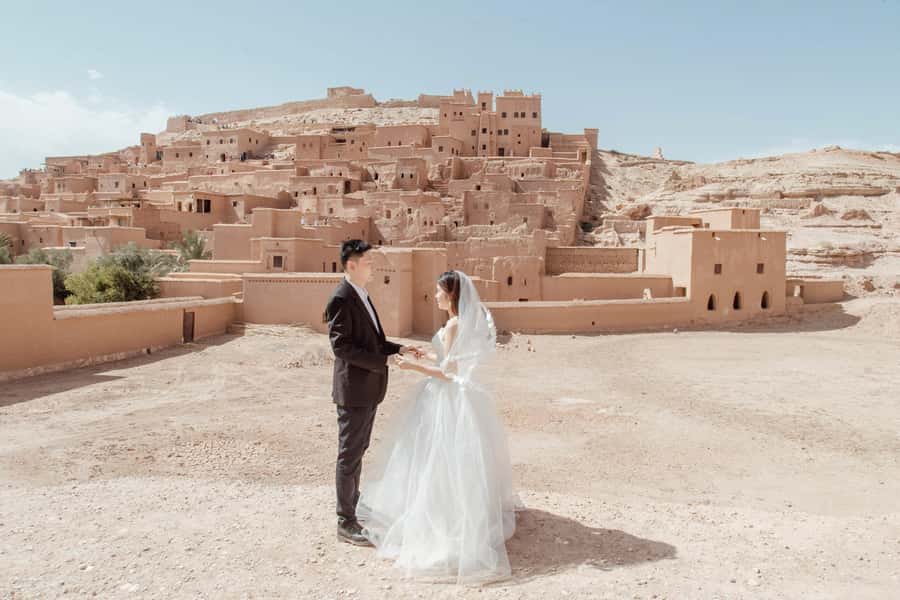
The camel ride takes you across the dunes near sunset. The timing matters. The low light brings out the curves in the sand, and the desert becomes cooler and more comfortable than it would be at midday.
For comfort, wear jeans, trousers, or long shorts. Loose fabric can rub against the saddle, and bare legs are not ideal for a longer ride. Sunglasses, a hat, sunscreen, and water are useful during the approach to the camp.
Camel riding is not a smooth, silent glide. Getting on and off can feel awkward, and the rocking motion may tire your legs. If you have back, hip, or knee concerns, ask about the practical arrangement before departure. The tour is not suitable for people over 95 years old, but no specific medical advice is provided, so you need to judge your own comfort carefully.
Your main luggage stays in the van, so bring only what you need for the overnight stay. A small backpack should hold warm clothing, toiletries, medication, a phone charger, and wet wipes. Wet wipes are especially useful because desert camping is simple, even when the selected camp is comfortable.
Sandboarding is included, but availability of boards can depend on the lodge. Ask before leaving for the camp if you want to try it. The dunes offer an easy way to add activity to the evening, though the climb back up the sand can be harder than the ride down.
The Berber camp after dark
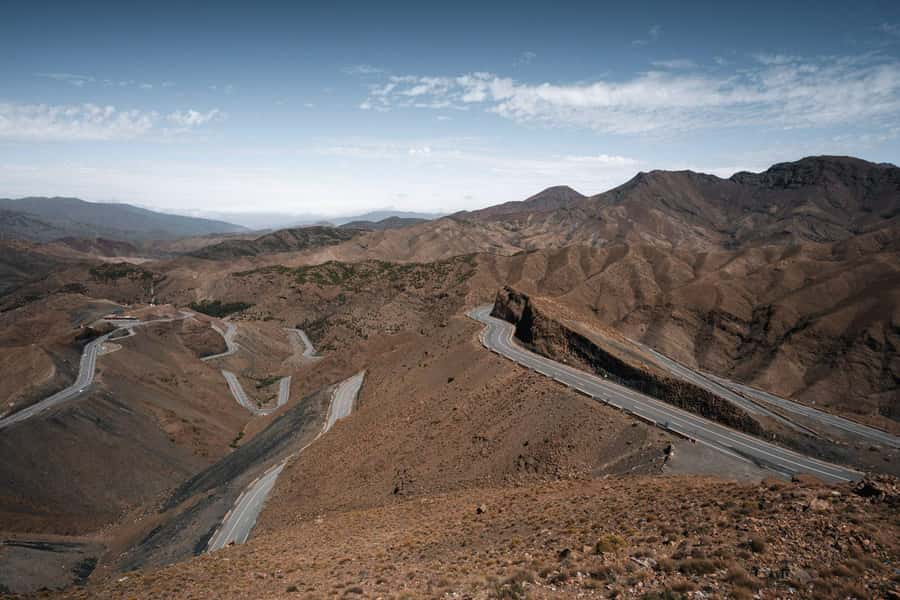
At the camp, you have dinner and Berber drumming by the fire. This is the social heart of the tour. After a long road journey, shared food and music give the night a sense of place rather than making it feel like only a hotel change.
The accommodation depends on the option selected. The experience is described as a traditional Berber desert camp, with a preferred camp option available. Read the exact accommodation choice carefully when booking if a private tent is important to you, since the supplied details do not promise the same tent type for every option.
The sky is the main attraction after dinner. Away from Marrakech, the desert offers a much darker setting for stargazing. Bring warm sleeping clothes even if the day is hot. Winter nights can be close to freezing, and blankets alone may not provide the comfort you want.
The camp is not the place to carry your whole wardrobe or expect normal city facilities. Pack lightly, keep valuables with you, and use the included luggage storage for larger bags.
Day three: sunrise and the long return to Marrakech
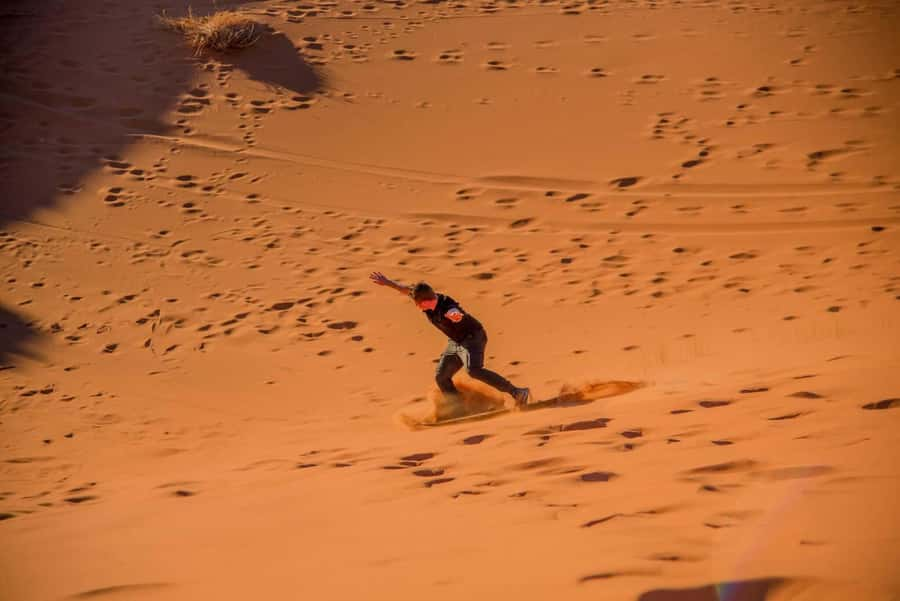
Wake early for the Sahara sunrise. This is one of the best reasons to accept the early morning. The dunes take on new colors as the sun comes up, and the quiet gives the desert a different character from the lively sunset arrival.
You can return to Merzouga by camel or 4×4. The 4×4 is the sensible choice if your legs are sore or you want to save energy for the long drive ahead. If you choose the camel, wear the same practical clothing as the previous evening.
After leaving Merzouga, the tour begins the long return to Marrakech. Lunch is again at your own expense, and the arrival is expected in the evening at your original pickup point or near Jemaa el-Fna square.
This final day is the main drawback of the schedule. You see a great deal of Morocco, but you do not get much free time in Merzouga after sunrise. If you want several quiet desert days, a longer tour would suit you better. If you have only three days and want the Sahara included in a wider route, this return journey is a reasonable compromise.
Guides, transport, and the group feel
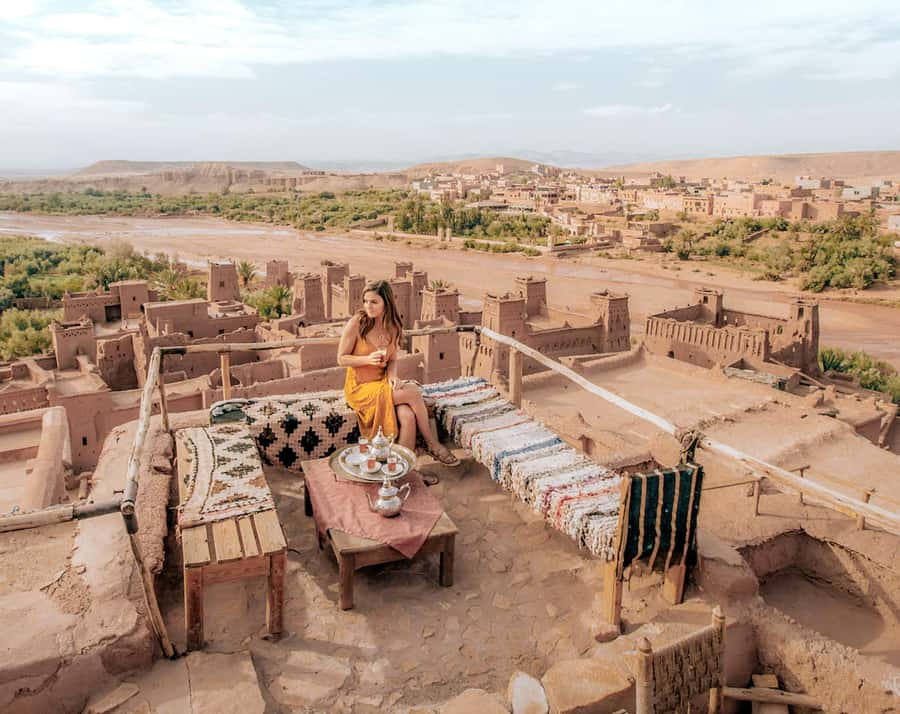
The driver-guide can make a major difference on a route with so many hours on the road. Named guides connected with this experience include Mehdi, Hakim, Hesham, Zaid, Youssef, and driver Moha. The guide language options are Arabic, English, French, Spanish, and Portuguese.
Zaid is noted for speaking Spanish well and paying close attention to group comfort. Youssef is described as an excellent guide, while Moha is identified as a dependable driver. Hakim is praised for being kind and helpful with young children. These details matter because the guide is not only explaining Morocco. He or she also helps with luggage, meal stops, camel arrangements, and the general rhythm of the trip.
The vehicle is an air-conditioned van with Wi-Fi. The information does not state a fixed group size, so you should not assume a private vehicle or a small party. The word private in the product title relates to the tent option, not necessarily to the entire road journey.
Pickup and drop-off are included from your hotel or riad. The final return can be to the original pickup location or Jemaa el-Fna, which is useful if your Marrakech plans are centered near the main square.
Is $116 a good value?
At $116 per person, the price covers a lot: transport for three days, a driver-guide, hotel pickup and drop-off, one hotel night, one desert camp night, two breakfasts, two dinners, camel rides at sunset and sunrise, sandboarding, luggage storage, and music at the camp.
The price looks especially good if you would otherwise arrange separate transport to Ait Ben Haddou, Todgha Gorges, and Merzouga. It also removes the need to organize a desert camp and camel operator on your own.
You need to add lunch costs, the optional Ait Ben Haddou guide fee, and any quad or buggy rental. ATV rides are not included and are arranged locally. Keep cash available for these extras and for small purchases along the road.
The best value comes when you want a packed introduction to southern Morocco. It is less appealing if your priority is privacy, a fixed luxury camp, long meals, or unhurried time in each place.
Who should book this tour?
I would recommend it to first-time visitors who want to connect Marrakech with the Sahara without planning every transfer themselves. It also suits people who enjoy variety: mountain roads on day one, a gorge and dunes on day two, and a sunrise followed by a long return on day three.
Families can consider it, especially since Hakim is described as helpful with young children, but the driving time should be explained to kids in advance. Couples and friends who want camel riding, camp music, and a low-cost desert night will also get plenty from it.
I would hesitate if you dislike early mornings, long van journeys, basic camping, or shared transport. I would also choose a longer desert trip if the Sahara itself is your main goal.
The flexible booking terms allow cancellation up to 24 hours in advance for a full refund, and you can reserve now and pay later. That is useful when your Marrakech plans are still shifting, but the more important decision is comfort: can you handle three busy days for the chance to see this much of southern Morocco?
Should you book the Marrakech to Merzouga trip?
Book it if you want maximum variety for a modest price and accept that the road takes up much of the trip. Ait Ben Haddou, Todgha Gorges, the sunset camel ride, Berber drumming, and the sunrise over Erg Chebbi create a strong first look at Morocco beyond Marrakech.
Skip it if you want a private, slow-moving desert holiday or if a full day of return driving sounds miserable. For most people with only three days, though, the route is well chosen. Pack warm clothes, wear trousers for the camel ride, carry cash for lunches and extras, and bring a small overnight bag. Those simple choices will make the experience much easier.
FAQ
How long is the tour from Marrakech to Merzouga?
The tour lasts three days, beginning in Marrakech and returning there on the evening of the third day.
What major places are visited?
The route includes the Tizi n’Tichka Pass, Kasbah Ait Ben Haddou, the Dades Valley, Tinghir, Todgha Gorges, Merzouga, and the Erg Chebbi dunes.
Is Ait Ben Haddou included?
Yes, a visit to Ait Ben Haddou is included. A local guide is optional and costs €2 per person.
Are camel rides included?
Yes. Camel rides are included at sunset on the way to the desert camp and at sunrise on the final morning. You may return from the camp by camel or 4×4.
Is accommodation included?
Yes. You receive one night in an air-conditioned room or suite with a private bathroom in Tinghir and one night at a selected Erg Chebbi desert camp.
Are meals included?
Two breakfasts and two dinners are included. Lunch is not included and must be paid for separately.
Is quad biking included?
No. ATV quads and buggies are available to rent from local providers for an additional cost.
Is sandboarding included?
Yes, sandboarding is included, but you should ask at the lodge about board availability before leaving for the camp.
What should I pack for the desert camp?
Bring a small backpack with warm sleeping clothes, comfortable shoes, sunglasses, a sun hat, sunscreen, cash, and wet wipes. Jeans, trousers, or long shorts are recommended for the camel ride.
Are vegetarian and vegan meals available?
Yes. Vegetarian and vegan food options are available.
What languages are available?
The guides may speak Arabic, English, French, Spanish, or Portuguese.
Can I cancel the booking?
You can cancel up to 24 hours in advance for a full refund. The reserve now and pay later option also lets you keep your plans flexible.
More three-day trips around Morocco
- Marrakech: 3Day Luxurious Merzouga Tour w/ Camel&Quad Option
★ 4.8 · 855 reviews - Marrakech: 3-Day Merzouga Sahara Desert Tour with Quad Ride
★ 4.8 · 669 reviews - Marrakech to Fes: Quad, Dinner, Camel, 3-Day Desert Tour
★ 4.8 · 579 reviews - From Marrakech: Quad, Camel, & Dinner 3-Day Merzouga Tour
★ 4.9 · 483 reviews
New quad and buggy rides around Morocco
- Agadir Quad Safari: Beach, Desert & Optional Sandboarding★ 4.8 · 29 reviews
- QUAD PALMERAIE MARRAKECH★ 5.0 · 14 reviews
- Half day Quad biking at Agafay Desert★ 4.8 · 34 reviews
- Quad biking in Marrakech’s desert palm grove★ 4.9 · 72 reviews
- Quad biking in Agafay Desert with lunch & Camel Ride & pool★ 4.5 · 186 reviews
- Quad biking adventure in Marrakech★ 4.9 · 11 reviews
- Quad Bike Activity in Marrakech Palmeraie★ 4.2 · 123 reviews
- Quad bike and Lunch & Pool in Desert Marrakech Agafay★ 4.8 · 47 reviews
Camel Ride and Quad Combos, side by side.
Desert Safari, Quad Bike, Camel Ride & Al Khayma Camp
Read our review →
Desert Safari, Quad Bike, Camel Ride and Sandboarding
Read our review →
Safari, Quad Bike, Camel Ride, and Buffet Dinner
Read our review →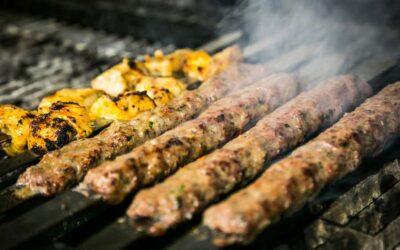
Red Dune Safari, Quad Bike, Camel Ride, BBQ Dinner
Read our review →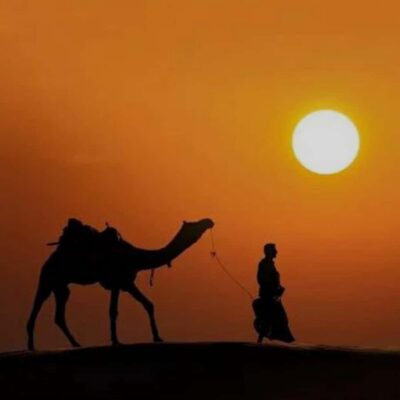
Agafay Desert Quad & Camel Rides with Dinner Show
Read our review →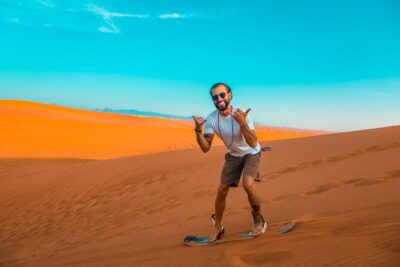
Dubai Red Dunes ATV, Camels, Stargazing & 5* BBQ Al Khayma Camp
Read our review →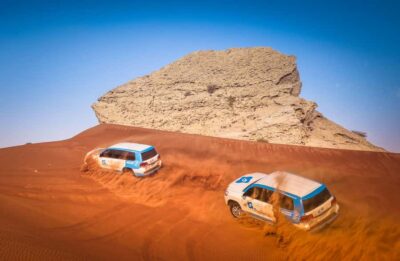
Half-Day Desert Safari, Camel Ride, ATV & Dune Buggy
Read our review →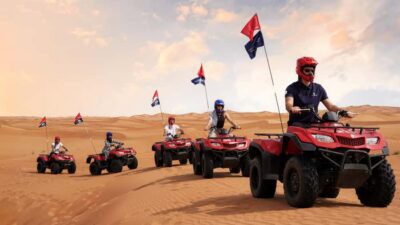
Dubai Desert Safari – Camel Ride, Sandboarding & 30 Min Quad
Read our review →Lists this ride appears in